Safety6 min read Sample data
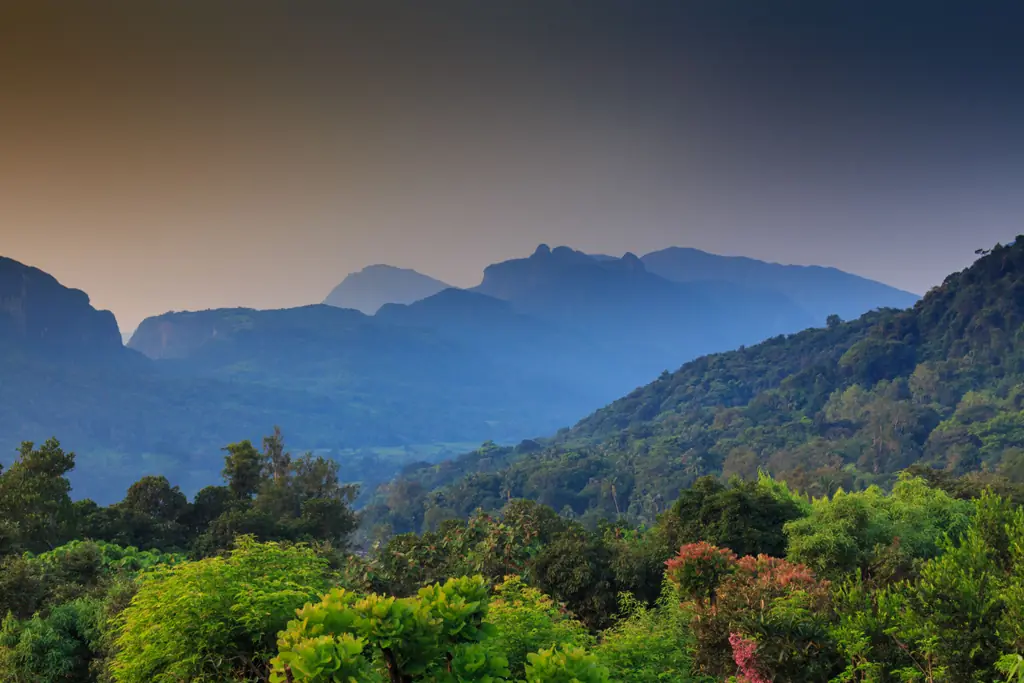
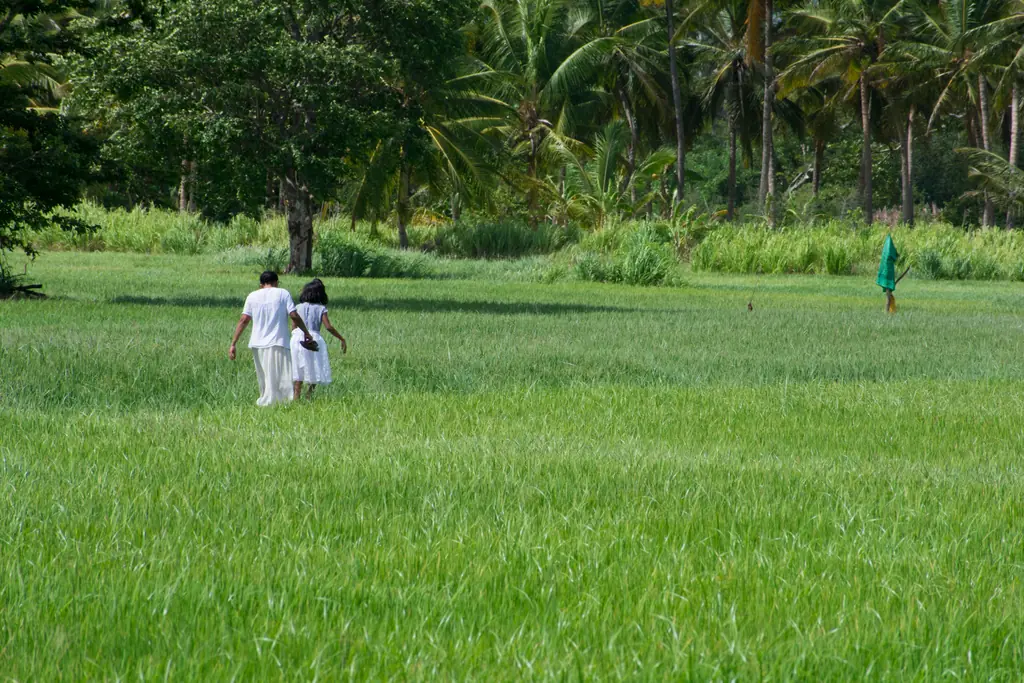
Working in the paddy fields: simple habits that lower the risk of snakebite
Most serious bites in Sri Lanka happen during farm work. Footwear, light and a few minutes of planning make a real difference.
Snake rescue & conservation · Sri Lanka
Checked on your device first and sent to Google Gemini only if needed. We never store it. Only photograph snakes from a safe distance.
Discover Sri Lanka's snakes, connect with trusted rescuers, and help protect people and wildlife.
Nearby rescuers
Search by district or share your location to see rescuers who cover your area. Keep watching the snake from a safe distance while you wait — it helps the rescuer find it.
Rescuers across Sri Lanka
Why Save Snakes Lanka
Many of Sri Lanka's snakes are found nowhere else on Earth, and only a small number are dangerous to people. Fear and guesswork, though, cost lives on both sides.
Save Snakes Lanka brings together careful identification, a network of trusted rescuers and clear safety guidance, so that every encounter can end with people safe and the snake back where it belongs.
Learn the snakes of Sri Lanka from expert-reviewed profiles and photographs.
Reach trained rescuers who safely move snakes away from homes and workplaces.
Understand first aid and prevention, and why snakes matter to our ecosystems.
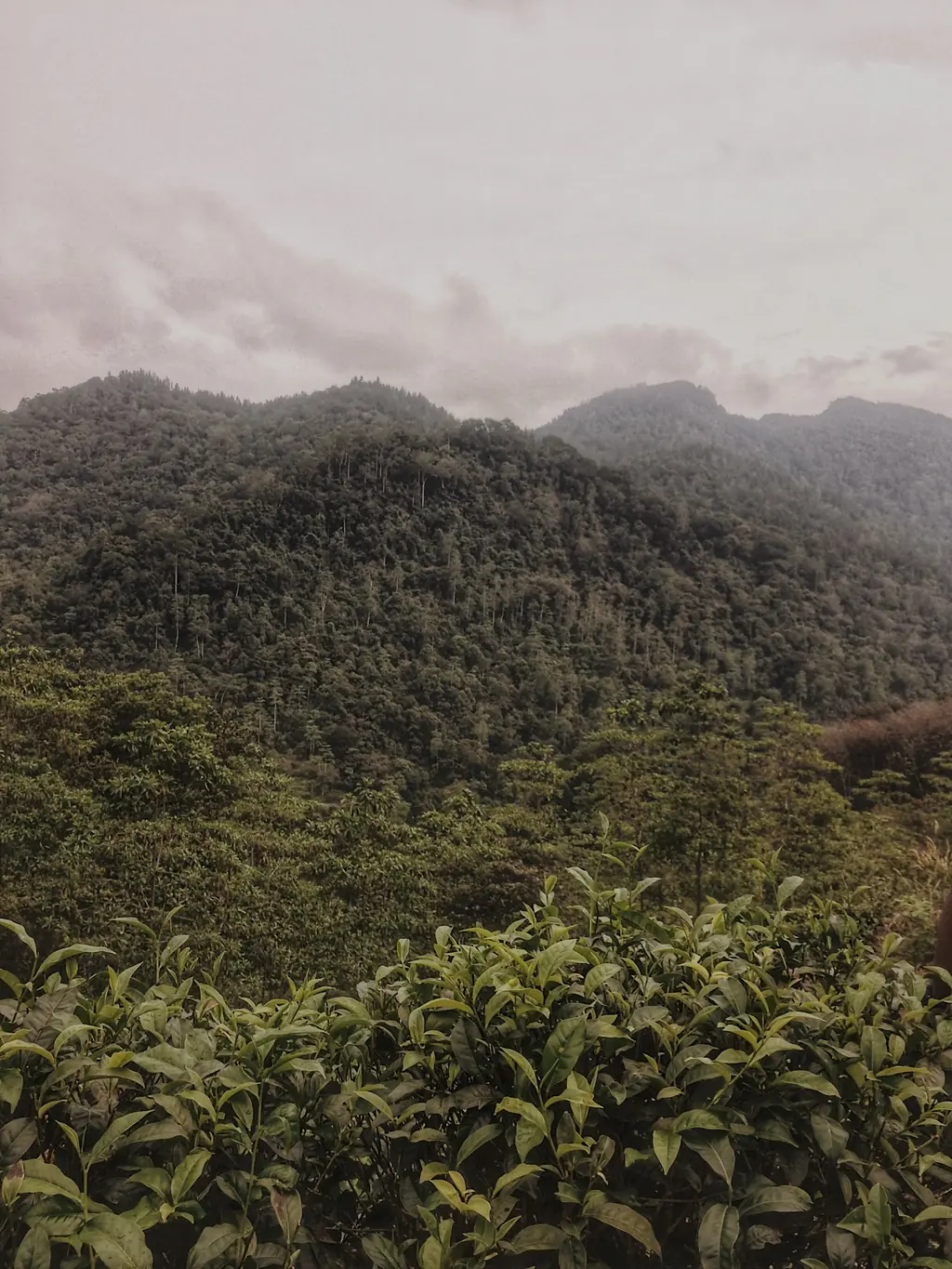
“Distance is the best protection — for both of us.”
Snakes of Sri Lanka
Start with the species that matter most for safety. Names are shown in English, Sinhala and Tamil, and every profile is being checked by herpetologists.
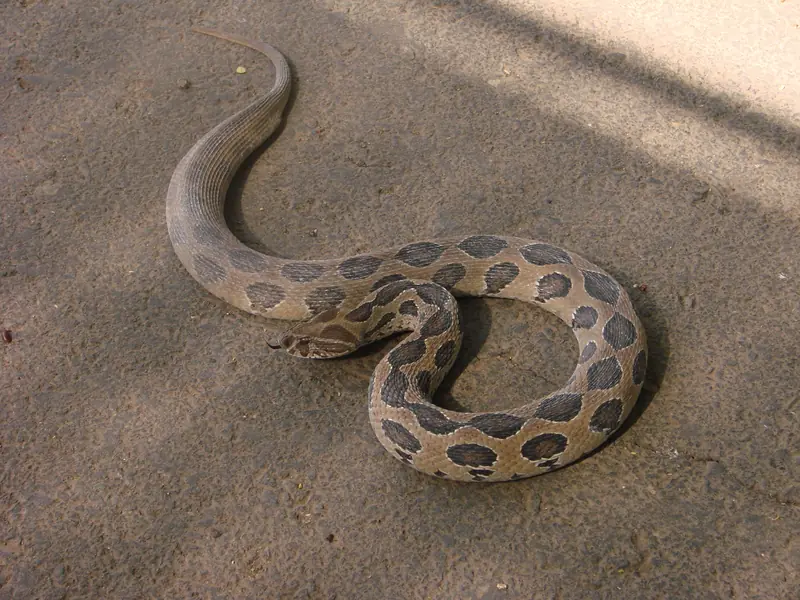
Daboia russelii
තිත් පොළඟාகண்ணாடி விரியன்
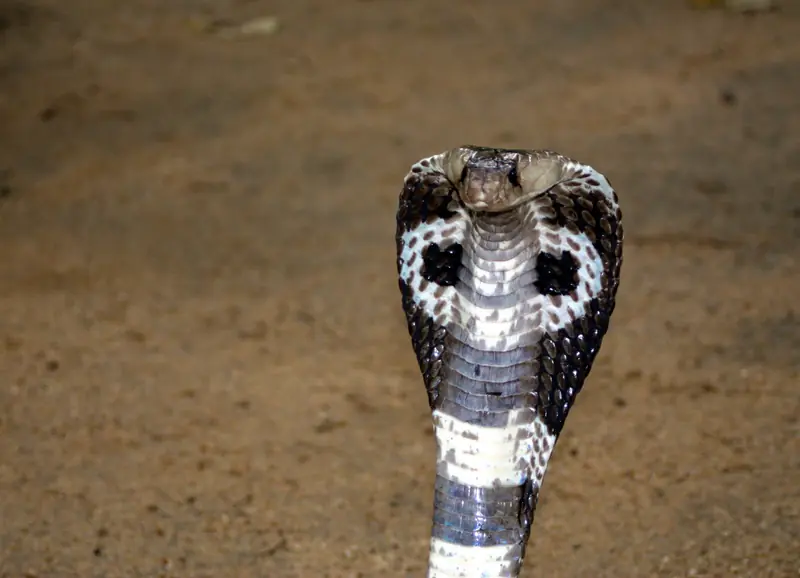
Naja naja
නාගයාநல்ல பாம்பு
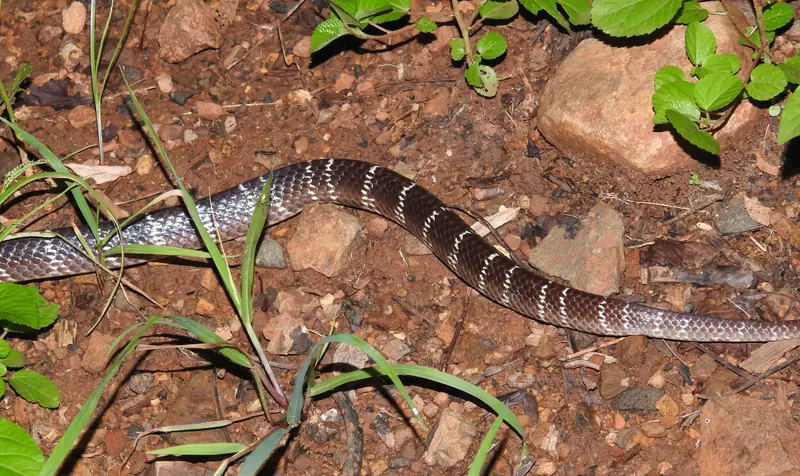
Bungarus caeruleus
තෙල් කරවලාகட்டுவிரியன்
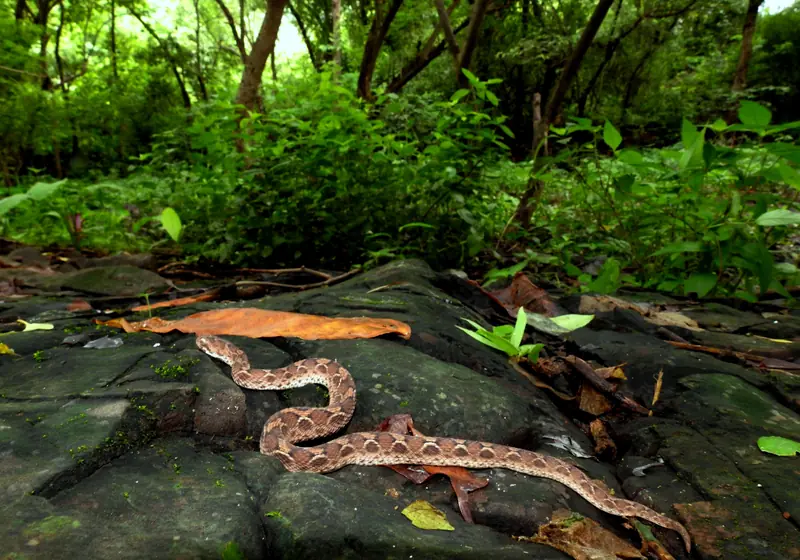
Echis carinatus
වැලි පොළඟාசுருட்டை விரியன்
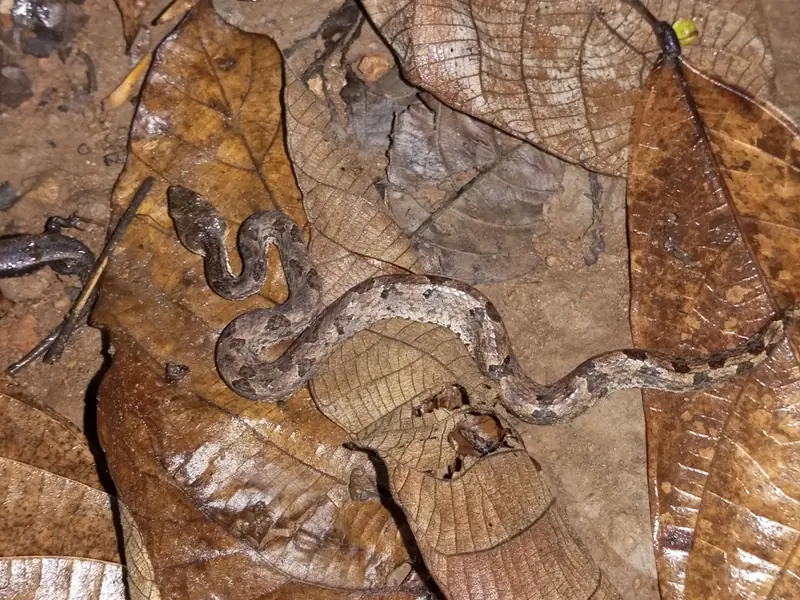
Hypnale hypnale
කුණකටුවා
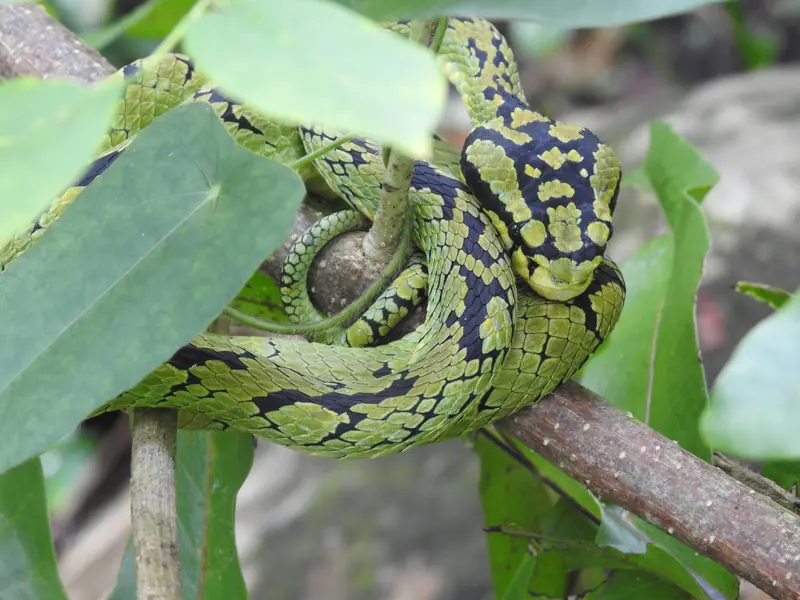
Endemic to Sri Lanka
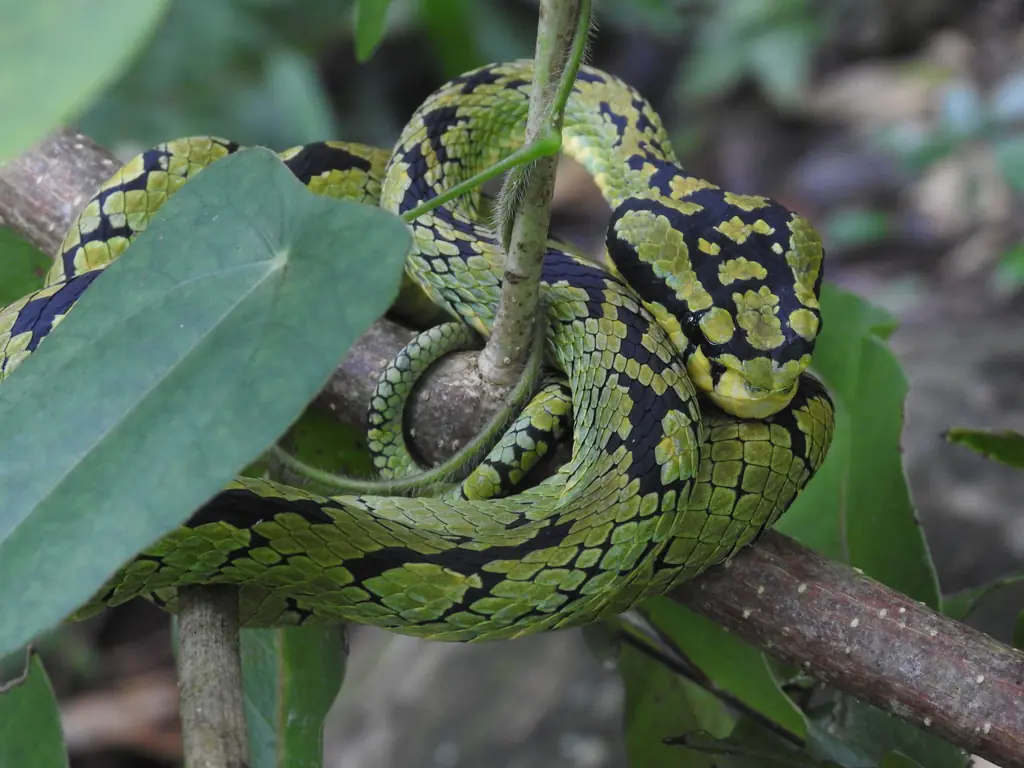
Trimeresurus trigonocephalus
පලා පොළඟා
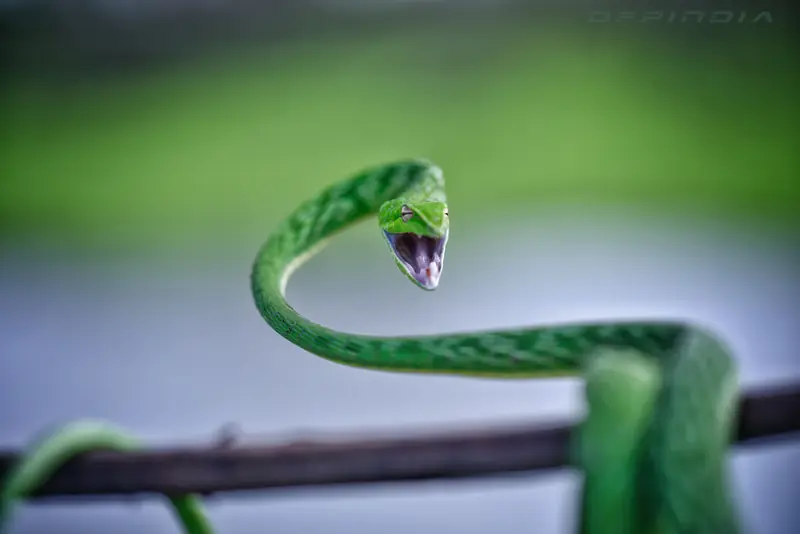
Ahaetulla nasuta
ඇහැටුල්ලාபச்சைப் பாம்பு
Verified photograph pending
Python molurus
පිඹුරාமலைப்பாம்பு
Never use a photo alone to decide whether a snake is safe. Keep your distance from every snake.
Explore all speciesPhoto identification · Beta
A photo can help. Our AI suggests likely species with an honest measure of confidence — never a promise that a snake is safe.
Use your zoom. Never move closer to a snake, or try to make it move, for a better picture.
Up to three possible species, and how confident each match is.
Every result links to nearby rescuers and first aid — whatever the suggestion says.
Snakebite first aid
Antivenom is given in hospital. Every minute counts, even when the bite looks minor or the snake seemed harmless.
General guidance only, based on World Health Organization advice. It does not replace treatment by a doctor.
How rescue works
Step 1
Move people and pets away, but keep watching where the snake goes from at least a few metres.
Step 2
Find a rescuer who covers your district and call or message them directly.
Step 3
Your location, where the snake is hiding and, if it is safe, a photo taken with zoom.
Step 4
The rescuer removes the snake and releases it in suitable habitat away from homes.
Field notes
Most serious bites in Sri Lanka happen during farm work. Footwear, light and a few minutes of planning make a real difference.
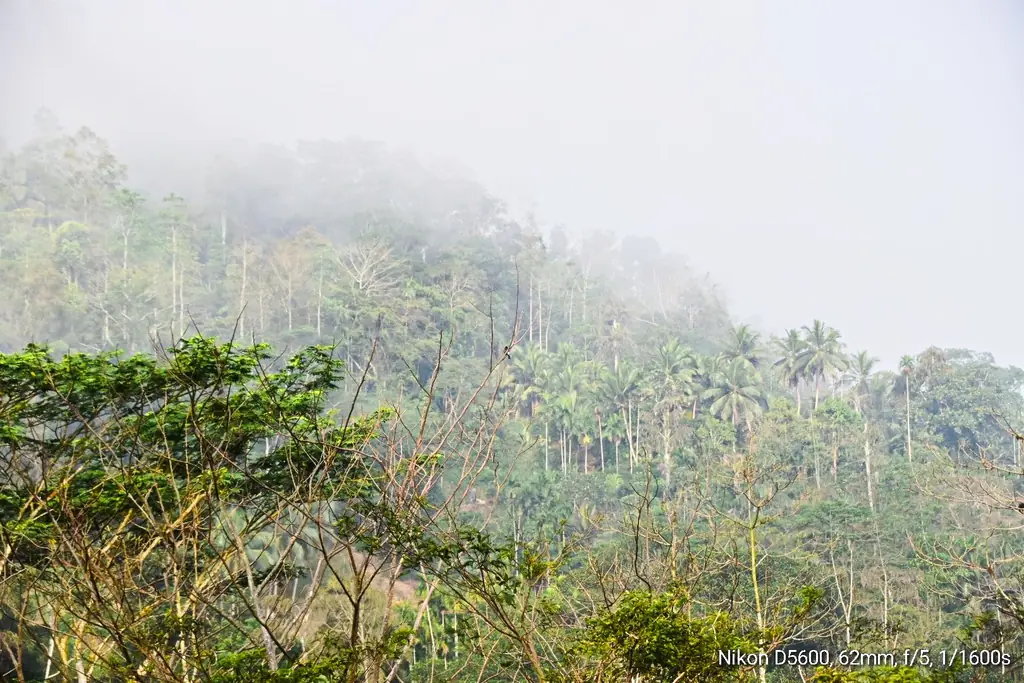
Flooded burrows and swollen streams push snakes and their prey towards higher, drier ground.
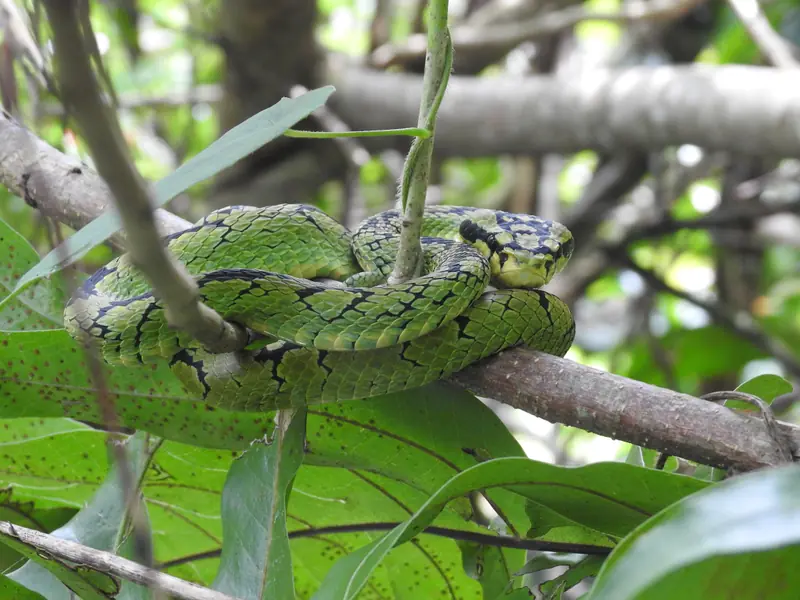
Why this tree-dwelling viper matters to Sri Lankan forests, and how to give it space.
For rescuers
Register your team, choose the districts you cover and update your availability, so people can find you when it matters most.